Construction Monitoring
Construction Monitoring
Hydroacoustic Work
TGAEC has developed software specifically for underwater noise monitoring that reports the number of strikes, peak sound pressure levels, accumulated sound exposure level, and the root mean squared (RMS) sound pressure level while digitally recording the underwater noise. This enables staff to quickly inform the construction crew about strikes that exceed regulatory thresholds.
Project: California State University Maritime Academy Waterfront Berthing Construction (2025-2026)
TGAEC monitored underwater noise produced by impact driving 18”, 24”, 30”,36”, and 42” steel piles for the new waterfront berthing facilities. TGAEC was responsible for real-time assessment of the underwater noise peak and accumulated noise, and for stopping impact driving activities when regulatory thresholds are exceeded. TGAEC was also responsible for analyzing the strike data, as well as the daily, annual, and final reports.
Project: Dr. Fine Bridge Replacement Project Hydroacoustic Monitoring (2024)
TGAEC produced a hydroacoustic monitoring plan for the replacement of the Doctor Fine Bridge, located on U.S Route 101 in Del Norte County, California. TGAEC was responsible for the hydroacoustic monitoring plan, monitoring underwater sound to ensure that underwater sound levels did not exceed the established thresholds described for activities related to bridge construction and submitted daily and annual monitoring reports by the end of each construction season.
Project: Elk Crossing Replacement Project (2023-2024)
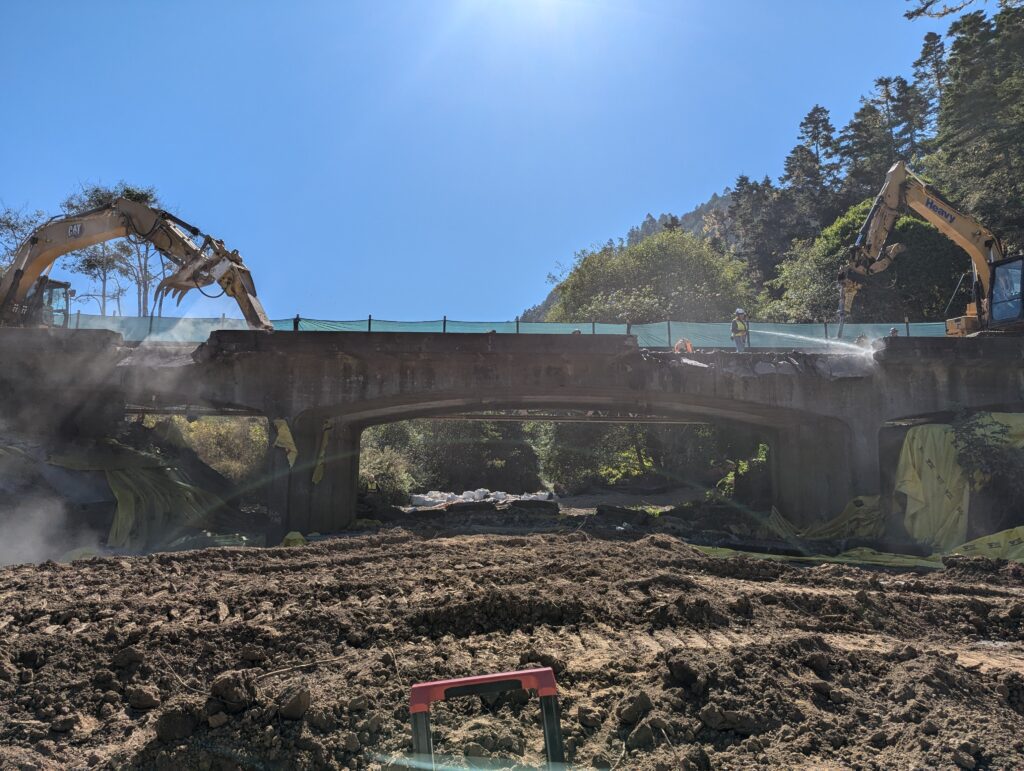
TGAEC produced a hydroacoustic monitoring plan for the replacement of Elk Creek Bridge on State Route 1 in Mendocino County, California. The construction activities included replacing the 122-foot-long, 30.5-foot-wide bridge and pier walls with a new, longer bridge with wider shoulders and updated infrastructure. TGAEC staff monitored underwater sound to ensure that underwater sound levels did not exceed the established thresholds described for activities related to bridge construction. The hydroacoustic specialist submitted daily and annual monitoring reports by the end of each construction season.
Project: Humboldt State Route (ST) 36 Three Bridges Replacement (2023 & 2024)
Thomas Gast & Associates Environmental Consultants (TGAEC) produced a hydroacoustic monitoring plan to address the replacement of the existing Hely Creek Bridge, renovation of Little Larrabee Creek Bridge, replacement of Butte Creek Bridge. TGAEC staff monitored underwater sound during all construction activities that could produce impulsive sound waves in the creeks, which could cause barotrauma in exposed fish. Daily and annual reports were completed, including all required information.
Project: Petaluma River Turning Basin Float, Pile, and Gangway Replacement (2023)
TGAEC produced a hydroacoustic monitoring plan for the Petaluma River Turning Basin Float, Pile, and Gangway Replacement Project. The goals of this project were to improve river access for the community, improve access and docking amenities for visiting boaters, and increase safety. The hydroacoustic monitoring plan describes measures to minimize direct impacts on fish in the project area, including conditional measures during pile driving and a plan for monitoring. TGAEC staff monitored underwater sound during all construction activities that could produce impulsive sound waves in the creeks, which could cause barotrauma in exposed fish. Daily and annual reports were produced in compliance with permitting and regulatory specifications.
Project: Port of Benicia Dock Emergency Repairs Project
Thomas Gast & Associates Environmental Consultants (TGAEC) hydroacoustic specialists completed hydroacoustic monitoring on emergency repairs on the AMPORTS BNC Petroleum Coke Dock in the Port of Benicia. TGAEC staff monitored underwater impact driving sound during all construction activities that have the potential to produce impulsive sound waves that would cause barotrauma in exposed fish.
Project: Alameda Marina Shoreline Improvement Project (2020-2022)
TGAEC completed hydroacoustic monitoring for repairs completed to address safety concerns, update marina facilities, address seismic resistance criteria, address sea level rise, reconfigure the marina piers, and create a new waterfront park. Hydroacoustic monitoring occurred for a portion of the types of pile driving activities for the project. TGAEC wrote daily and comprehensive annual reports containing findings for two construction seasons.
Project: Russian River Highway 20 Hydroacoustics (2022)
TGAEC was tasked with determining whether monitoring the underwater noise produced by impact driving steel H-piles during the bridge replacement was necessary due to salmonid habitat determinations. If habitat quality and water quality met requirements to provide salmonid habitat, hydroacoustic monitoring would be required. A hydroacoustic monitoring plan would have been created for the project if hydroacoustic monitoring was necessary. For the project, TGAEC staff completed habitat assessment and water quality monitoring, taking dissolved oxygen, temperature, and conductivity measurements in pools under the planned bridge centerline. Hydroacoustic monitoring was determined not to be necessary as conditions were considered lethal for salmonids. A report of findings and determinations made was written for the project.
Project: Woodward Island Bridge (2018)
TGAEC monitored underwater noise produced by impact driving 48” and 60” CISS pilings for the Woodward Island Bridge construction in the Sacramento/San Joaquin Delta. TGAEC was responsible for creating an underwater sound monitoring plan, monitoring the sound, real-time assessment of the underwater noise peak and accumulated noise, and stopping impact driving activities when regulatory thresholds are exceeded.
Project: McHenry Avenue Bridge Replacement (2017 and 2018)
TGAEC monitored pile driving underwater sound during the Escalon, CA, bridge construction beginning in the summer of 2017. TGAEC produced an underwater sound monitoring plan, monitored the sound, and reported to Caltrans under a subcontract to Alluvion Biological Consulting.
Project: San Francisco-Oakland Bay Bridge Pier E4 and E5 Marine Foundation Dismantling- Sound Exposure Study (August 2016- October 2016)
In order to monitor for potential adverse impacts to federally and state-listed endangered fish species arising from high-intensity sound associated with the blasting, Caltrans and its contractors developed a hydroacoustic monitoring and caged fish study plan. Fish were held in floating pens adjacent to the demolition work and were subjected to ambient conditions during the implosion event. Subsequently, necropsies were performed on all fish to determine the extent, if any, of damage caused by exposure to the high-intensity sound waves. As a member of the project team tasked with carrying out the sound exposure study, TGAEC provided two boats and boat operators for the deployment and retrieval of the floating fish cages, and participated in conducting the post-implosion fish surgeries (necropsies) and fish-condition assessments.
Biological Monitoring (Construction Projects)
Thomas Gast & Associates Environmental Consultants (TGAEC) team of qualified fisheries biologists, wildlife biologists, wetland ecologists, and botanists provides professional biological monitoring services to support infrastructure upgrades, restoration, and emergency repair projects. With the appropriate state and federal permits, we ensure that construction activities comply with environmental regulations while minimizing impacts to sensitive species and habitats.
TGAEC conducts pre-construction nesting bird surveys to identify and protect active nests before vegetation removal or ground disturbance. During in-water work, our fisheries biologists lead aquatic species relocation efforts using approved methods, and our crews safely relocate fish, amphibians, and other aquatic organisms out of harm’s way.
Throughout construction, our biological monitors work closely with contractors to maintain exclusion fencing and respond immediately to needed field assistance. After project completion, we prepare detailed reports summarizing survey findings, species relocations, and best management practices implemented.
Our collaborative approach helps clients meet project goals while upholding strong environmental stewardship and the protection of California’s native species and natural resources.
Project: Highway-36 Landslides (2025)
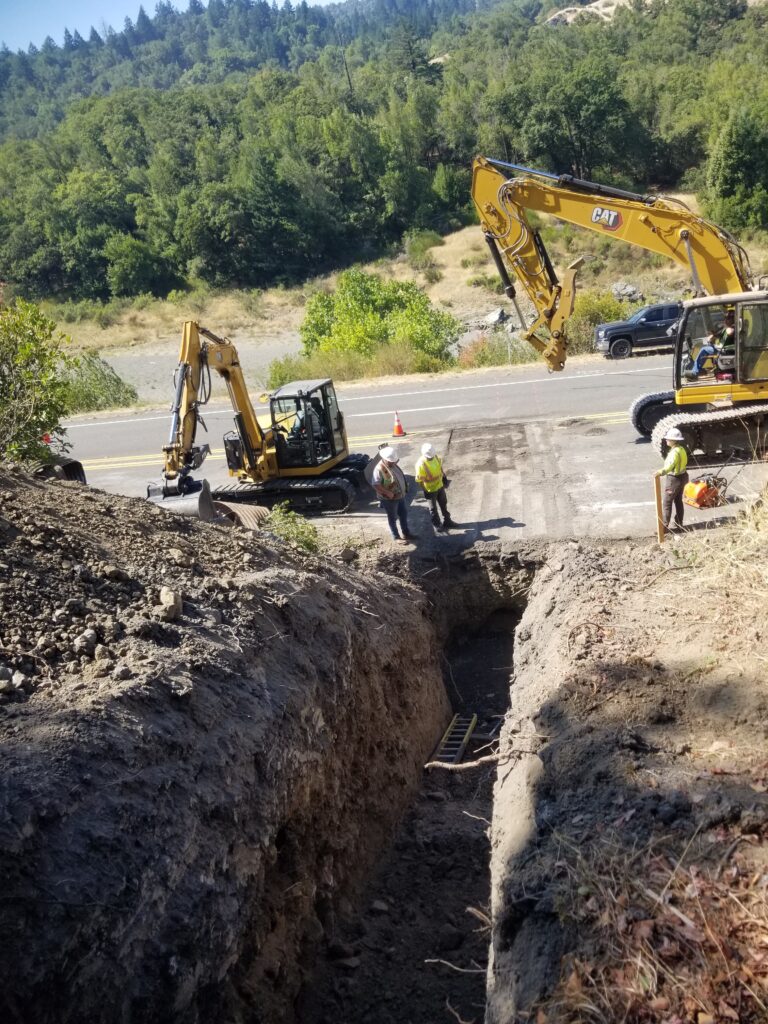
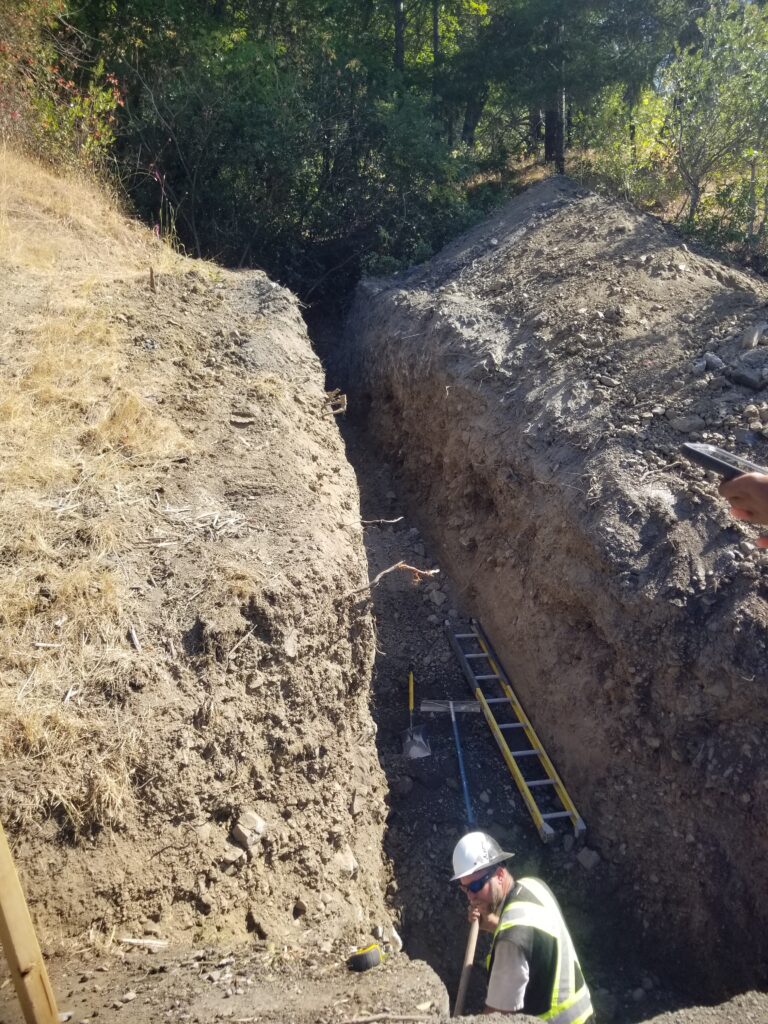
Highway 36 is a vital transportation route connecting rural communities across Northern California. Following a series of damaging landslides, multiple emergency repair projects were immediately initiated to stabilize slopes and restore safe travel along the corridor. To support these time-sensitive efforts while maintaining compliance with environmental protection laws, on-call wildlife biologists provided critical pre-construction services.
In advance of emergency repair activities, a TGAEC wildlife biologist conducted pre-construction nesting bird surveys to ensure compliance with the Migratory Bird Treaty Act and California Fish and Game Code. These surveys were performed on multiple occasions across separate project years, often under accelerated schedules to facilitate immediate construction mobilization.
Through close coordination with agencies and construction managers, the biological team enabled necessary slope stabilization work to proceed efficiently while preventing disturbance to active nests and maintaining protection measures for local avian species. The Highway 36 landslide recovery construction demonstrates how rapid-response biological monitoring can facilitate urgent infrastructure repair while responsibly stewarding wildlife resources.
Project: Waukell and Junior Creek Culvert Replacement (2025)
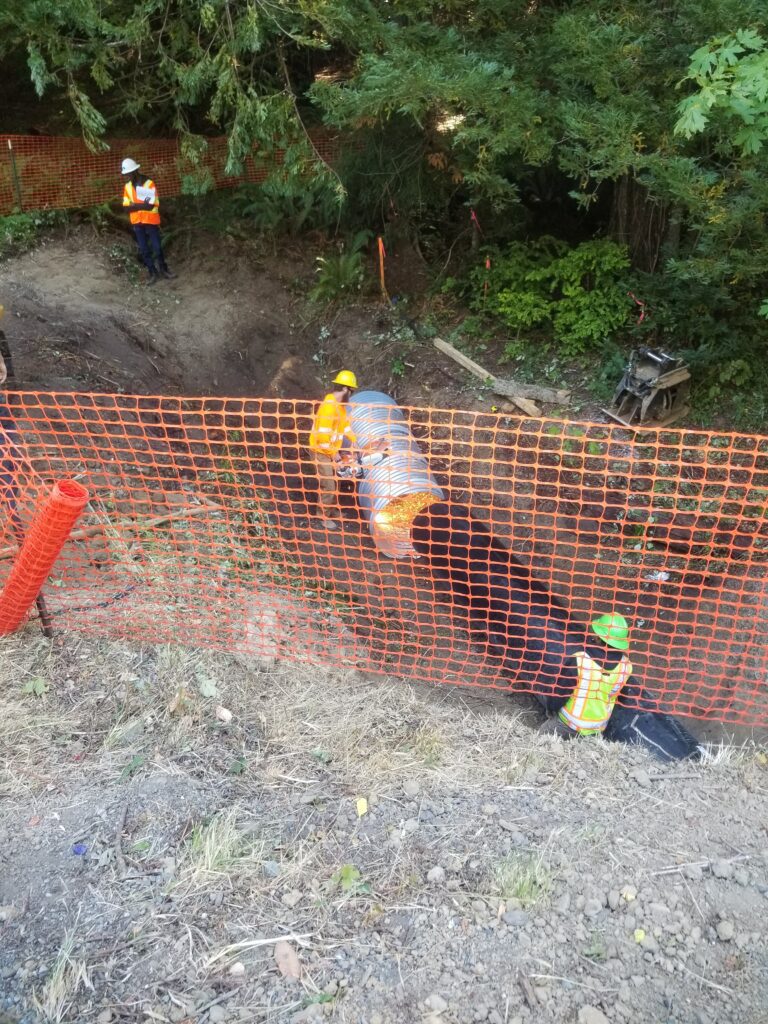
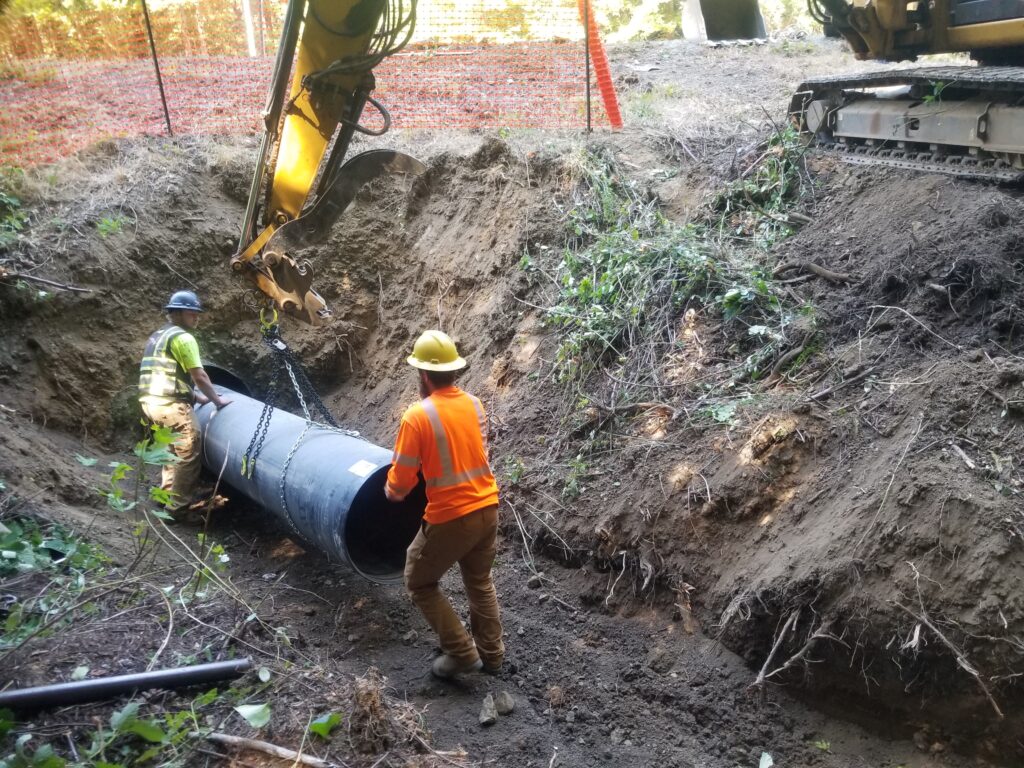
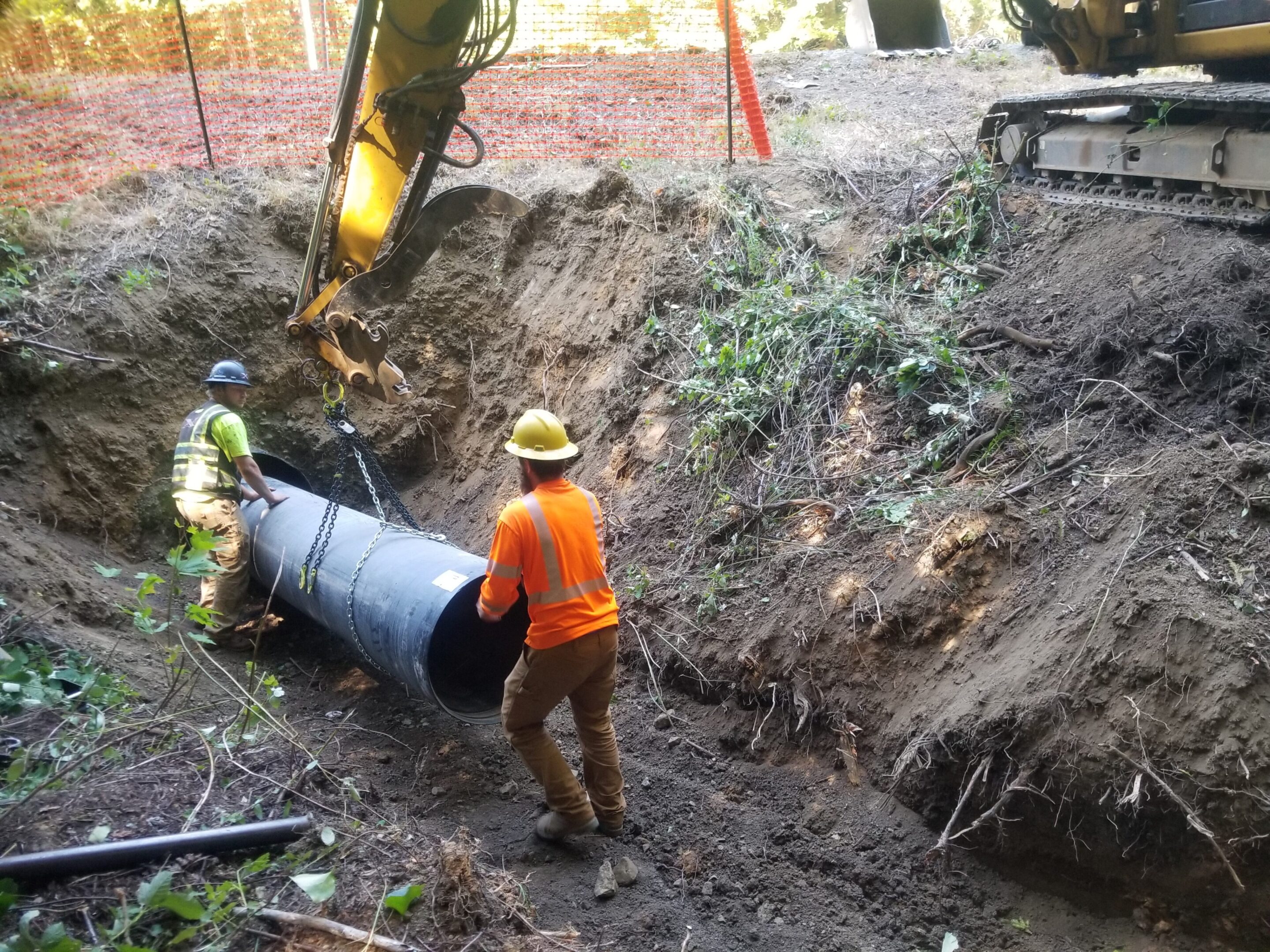
Located along the North Coast adjacent to the Klamath River, the Klamath Beach Road culvert replacement project aimed to improve road conditions during high water events. The project site, surrounded by redwood forest and coastal wetland, provided essential habitat for a range of native aquatic species and migratory birds. To ensure protection of biological resources during construction, a team of qualified biologists implemented a comprehensive monitoring and species protection program.
Prior to any vegetation removal or ground disturbance, a wildlife biologist conducted pre-construction nesting bird surveys, ensuring compliance with the Migratory Bird Treaty Act and California Fish and Game Code, preventing disturbance to active nests during the breeding season.
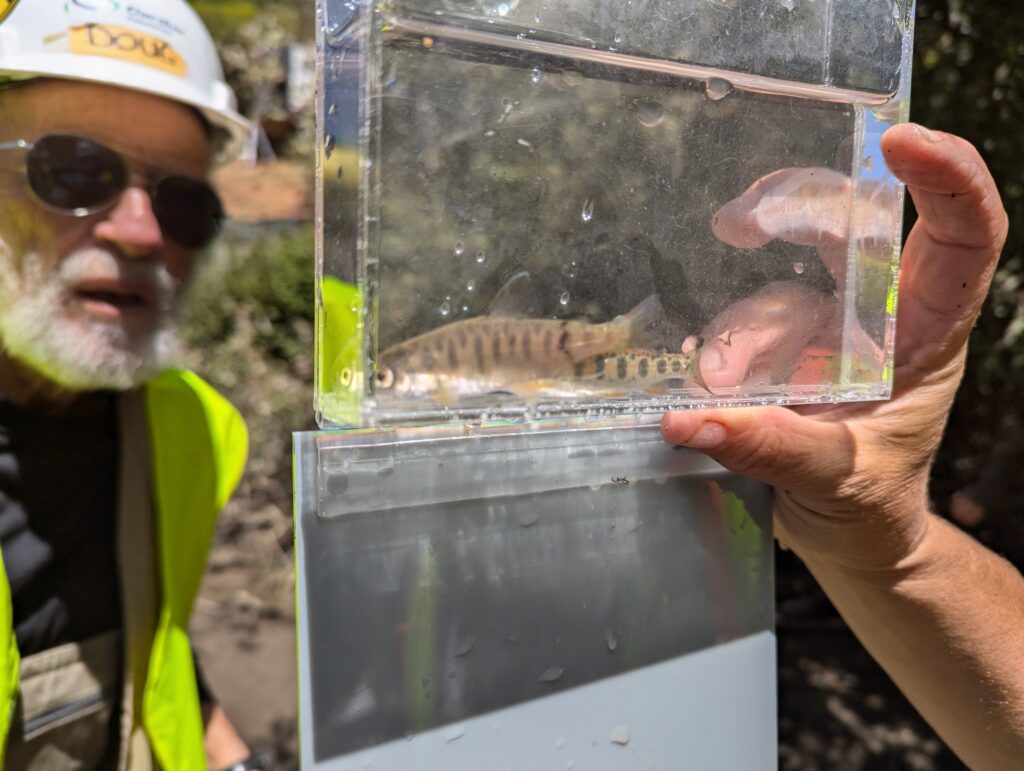
In collaboration with the Pulikla Tribe, biologists from TGAEC ensured the utmost protection of aquatic species during construction activities. As construction progressed, a TGAEC fisheries biologist led multiple aquatic species relocation efforts, safeguarding salmonids, lamprey, and other resident fish from direct impacts associated with culvert removal and channel modification.
Throughout the duration of the project, biological monitors remained in close coordination with construction crews, observing in-water work and relocating individuals that emerged during excavation and culvert removal activities. This proactive field presence ensured immediate response to wildlife encounters and minimized potential harm to sensitive species.
Following completion of in-water work, project biologists prepared a post-construction monitoring report documenting survey results, species relocation data, and best management practices implemented to protect sensitive aquatic species. The Klamath Beach Road culvert removal project exemplifies how biological monitoring and collaboration between field biologists, tribal staff, and construction staff support both infrastructure improvement and species protection.
Project: Hookton Slough Tide Gate Replacement (2025)
Located at the Humboldt Bay National Wildlife Refuge, biologists supported construction activities through aquatic species relocation efforts conducted under tidally influenced conditions. The project area presented dynamic challenges, with fluctuating water levels and strong currents requiring careful planning and coordination to ensure both safety and species protection.
A Thomas Gast & Associates Environmental Consultants (TGAEC) fisheries biologist, holding authorization for work with goby species, led the relocation operations. Using a large seine net, crews worked strategically around the high tides and muddy conditions to set exclusionary fencing to keep aquatic organisms out of the active construction zone. Field staff navigated high water conditions and shifting substrates, employing adaptive techniques to maintain effectiveness throughout each tide cycle.
Close coordination with construction personnel was key to the project’s success. TGAEC biologists worked alongside crews to maintain exclusion fencing, adjust work timing around the tides, and provide immediate response to any species observed within work areas. These collaborative measures ensured compliance with permitting requirements while protecting native aquatic life amidst challenging estuarine conditions.
Project: Pine Hill Pile Driving Biological Monitoring (March- November 2023)
TGAEC staff acted as onsite biologists during the Caltrans District 1 replacement of the bridge over Swain Slough on Pine Hill Road south of Eureka, California. TGAEC monitored all in-stream construction activities and dewatering activities, piledriving for bridge foundations, concrete pours, and bridge demolition. TGAEC assessed the site for the presence of nesting birds and protected species, including federally listed as endangered tidewater goby (Eucyclogobius newberryi) and Lyngbye’s sedge (Carex lyngbyei). For this project, our firm relocated fish from the noise injury area with seine and dipnets, set up and managed a fish exclusion fence 100ft upstream and downstream of the construction site. In addition, TGAEC completed a preconstruction survey, an aquatic species avoidance and impact minimization plan, a final monitoring report, a biological resource information program, a handout for the public describing the regulated species, their habitats, and protection measures as listed in species protection, and biological resource incident reports when necessary.
Project: Six Culverts along 101 (2021-2022)
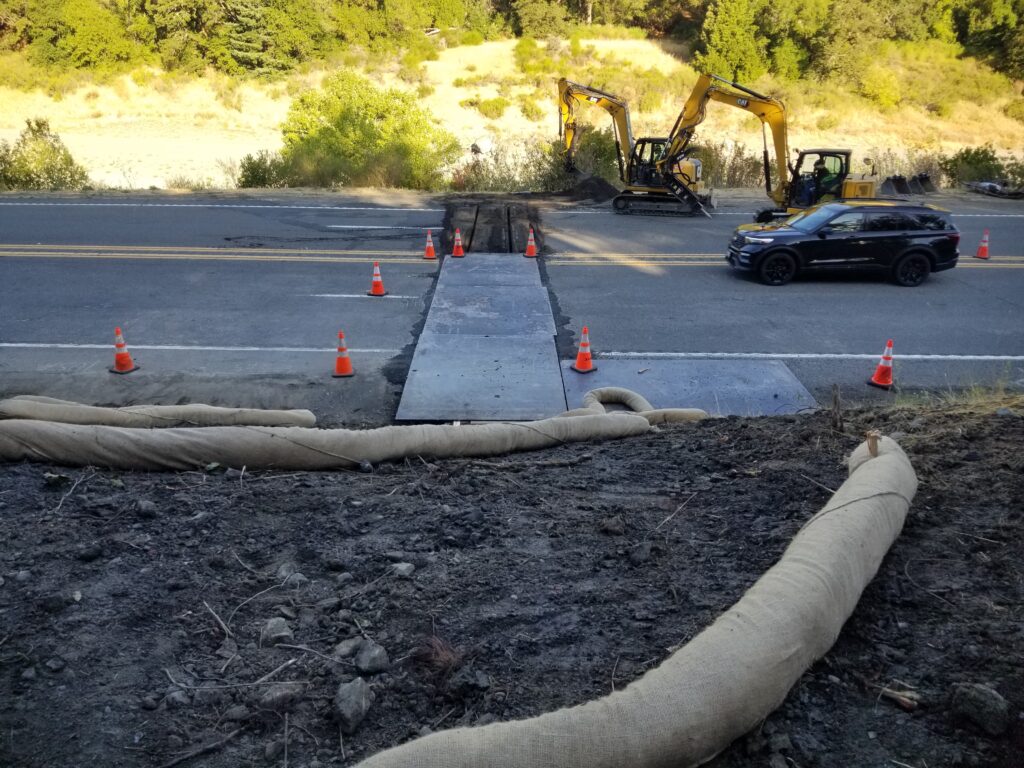
Thomas Gast & Associates Environmental Consultants (TGAEC) was responsible for an aquatic species relocation plan and pre-construction surveys for the completion of six culverts along U.S. Highway 101. Qualified TGAEC staff completed pre-construction surveys of the construction site footprint prior to any earth-disturbing activities to assess for the presence of migratory birds, fish, and state-protected amphibians. A TGAEC biologist completed pre-construction bird surveys to identify species at the site and identify any nesting behavior and active nests to be avoided during vegetation removal. TGAEC fisheries biologist led the aquatic species relocation, capturing fish and amphibians and relocating them outside of the project work site.
Project: Aquatic Species Relocation for the Hunter Creek Bridge Seismic Restoration Project (2021 & 2022)
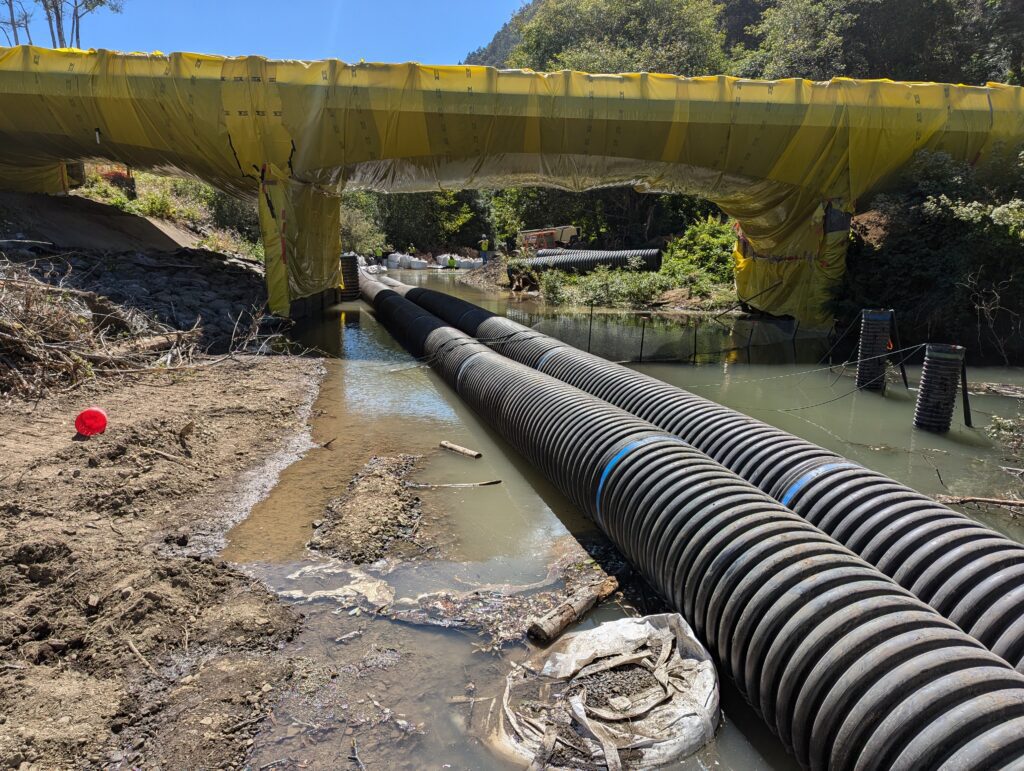
The Hunter Creek Bridge on U.S Highway 101 (US 101) is located in southwestern Del Norte County. Thomas Gast & Associates Environmental Consultants (TGAEC) guided the protection of aquatic species during dewatering, maintaining exclusion netting during the dewatering process, and documenting ambient water quality conditions during the dewatering setup. The tasks TGAEC completed included: maintaining upstream and downstream exclusion netting barriers throughout the dewatering process and monitoring the presence of aquatic vertebrates within the isolated reach; capturing and relocating aquatic vertebrates from instream habitats within the construction area prior to and during the dewatering process; and documenting ambient water quality within the project areas daily and before aquatic species removal efforts. Relocation methods included electrofishing, seine netting, and dip netting to relocate aquatic species from the isolated reach and releasing the species in a safe location out of the project area.
Project: Carmel River Reroute & San Clemente Dam Removal - Fish Relocation (2016)
The Carmel River Reroute & San Clemente Dam Removal (CRRDR) Project is the culmination of a long-term comprehensive effort to improve access for ESA-listed threatened steelhead populations to upstream spawning and rearing habitats, enhance sediment transport to the lower river and Carmel River beach, support ecological continuity of aquatic and riparian habitats through the project reach, and resolve public safety issues associated with San Clemente Dam. The San Clemente Dam was removed from the Carmel River in the summer of 2015 after two years of construction work to reroute the river, relocate the reservoir sediments, and prepare the site for its new life without the dam or reservoir. Remaining work on the site includes habitat restoration and removal of a smaller, obsolete dam located downstream of the project site.
Granite Construction was the selected Design-Build construction contractor responsible for implementing the project and retained Cardno-Entrix as the primary contractor to oversee fish relocation during in-stream habitat restoration work in 2016. TGAEC was a subcontractor to a DVBE subcontractor, Douglas Parkinson & Associates, on this project and conducted backpack electrofishing on a 3000-ft reach of the Carmel River where it flows through the former San Clemente Dam site. Electrofishing was conducted to remove ESA-listed South Central California Coast steelhead and other fish from the project reach in advance of de-watering for in-channel construction/restoration activities. All captured fish were subsequently relocated to the Carmel River downstream of the CRRDR project area.
Gallery